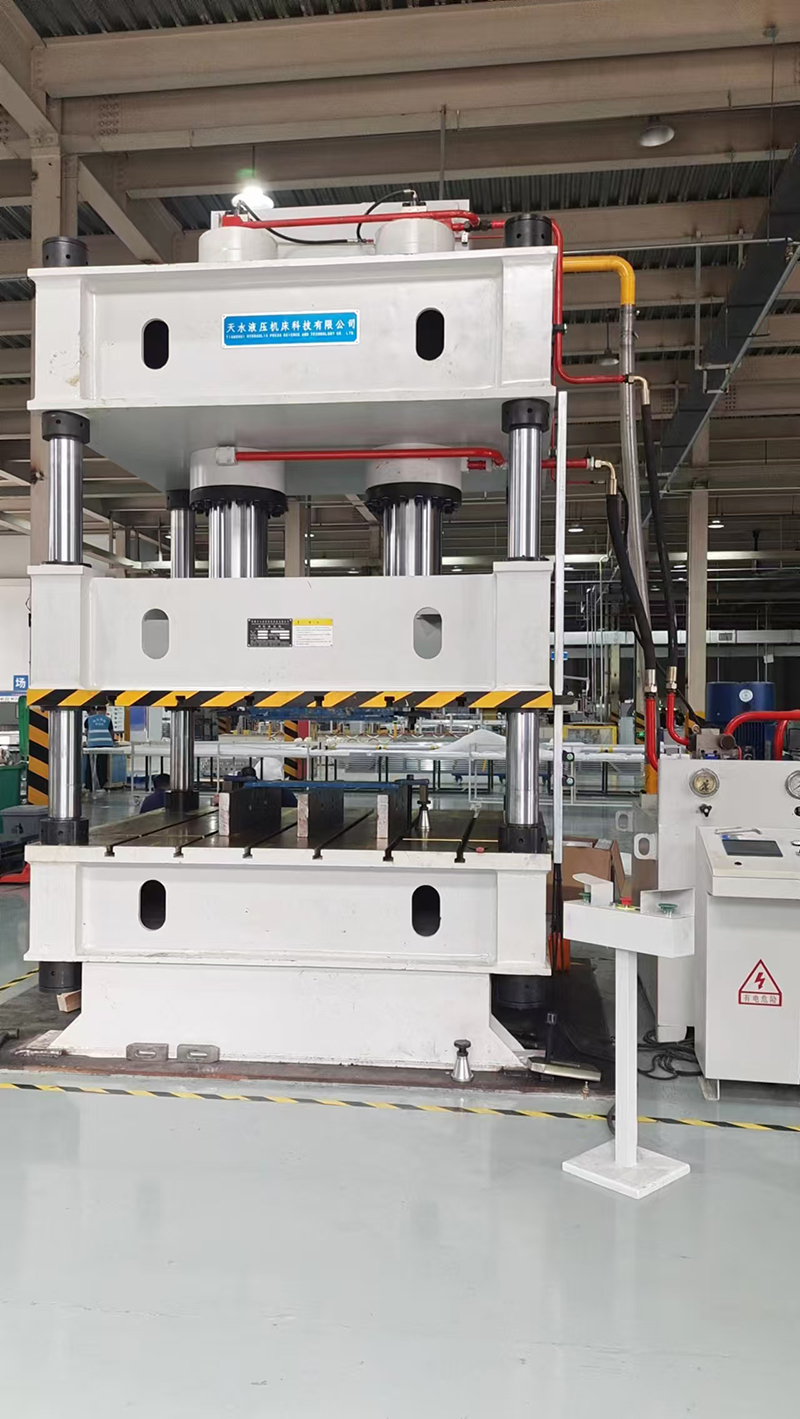
Model names are not enough for early sourcing. Four-column and frame structures can both fit pressing work, but they differ in guidance, access, envelope and the way the factory loads parts into the machine.
Where this helps
Best for comparing a general four-column press with a frame or gantry structure when the workpiece envelope or loading path is not standard.
What to check
- Four-column presses suit stable guidance and general forming or pressing tasks.
- Frame and gantry structures are often reviewed for larger workpieces, higher clearance or specific loading paths.
- Bed size, daylight and part handling can change the practical choice before price is discussed.
- Controls, fixtures and safety devices need to match the selected structure.
Inputs to prepare
- Workpiece size, weight, loading side and handling equipment.
- Required force, table envelope, stroke and daylight.
- Accuracy, fixture, foundation and workshop clearance constraints.
Use the press family as a starting point, then confirm the machine around the real workpiece and production flow.